Trains in Romania
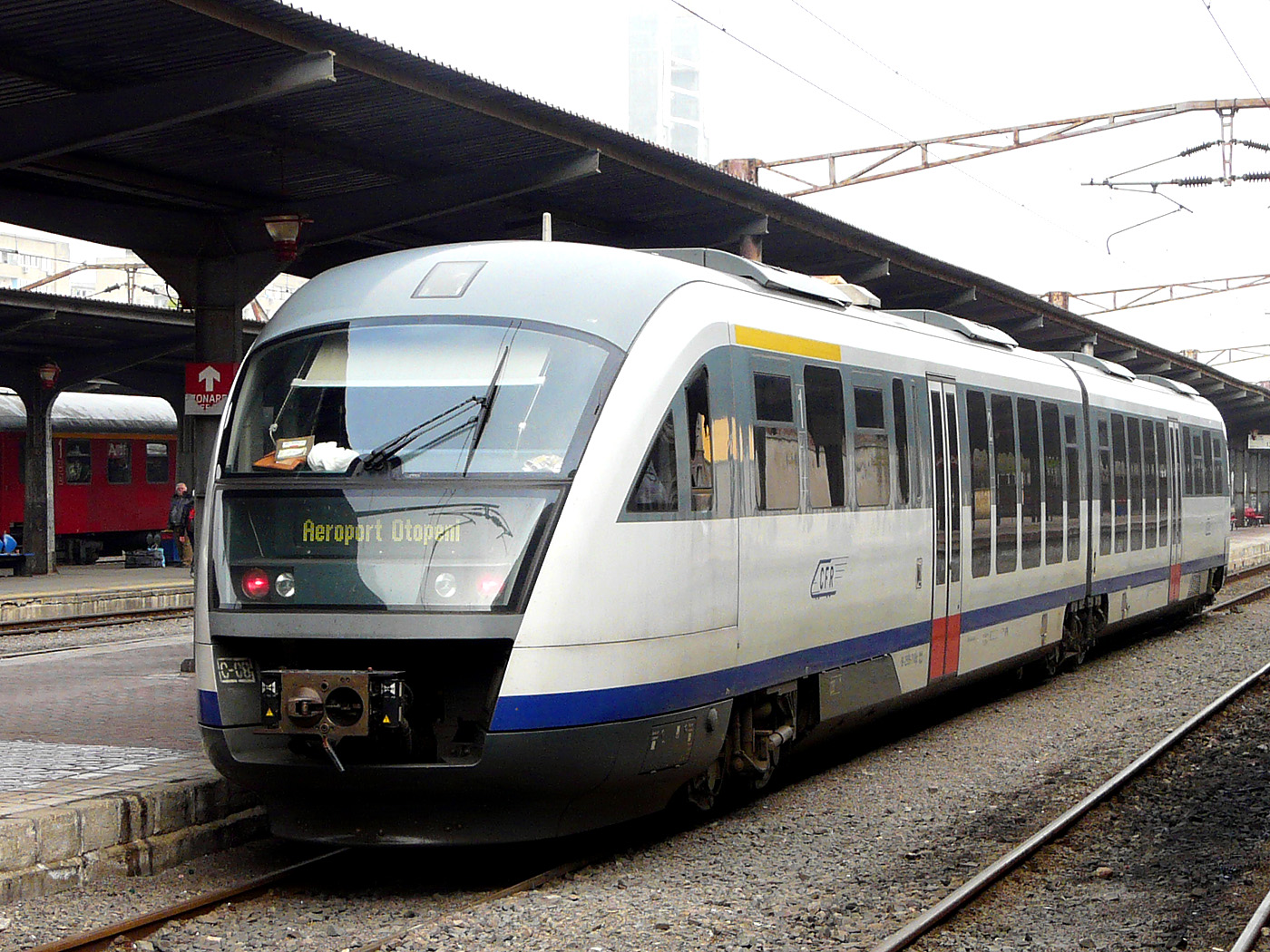
TTraveling through Romania by rail is an incredible way to experience the dramatic landscapes of the Carpathian Mountains and explore historic medieval towns. The national rail network is operated primarily by the state-owned company CFR Călători, alongside several modern private regional operators like Softrans, Transferoviar Călători, and Regio Călători.
Whether you are navigating the country using a standard ticket or an Interrail Romania One Country or the Interrail Global Pass, this comprehensive guide outlines everything you need to know about Romanian train categories, mandatory seat reservations, and typical travel times between major cities.
Types of Trains in Romania
Romania’s rail system features a mix of local commuter lines, standard long-distance expresses, and international links:
- InterCity (IC): The fastest domestic lines. They connect Bucharest to major city hubs with minimal stops, offering the highest level of comfort and air conditioning.
- InterRegio (IR): The primary long-distance express trains that most tourists use. They bridge medium and large cities, feature air conditioning, and travel at faster speeds than standard regional lines.
- Regio (R): Slower, local commuter trains that stop at almost every station and village along the route. These are budget-friendly and do not feature premium amenities.
- EuroCity (EC) & EuroNight (EN): Fast international trains connecting Bucharest with neighboring capitals such as Budapest (Hungary), Sofia (Bulgaria), Belgrade (Serbia), and Istanbul (Turkey).
Seat Reservation Rules & Fees
Understanding reservation requirements is crucial to avoid fines when boarding Romanian trains:
- InterCity (IC) & InterRegio (IR): Seat reservations are mandatory for all passengers, including rail pass holders. If you buy a point-to-point ticket, the reservation fee is normally bundled automatically into your fare.
- Regio (R): No seat reservations are allowed or required. Seating is strictly on a first-come, first-served basis.
- Night Trains: Seat, couchette, or sleeper compartment reservations are strictly mandatory. For high-demand long-distance night routes (such as Bucharest to Oradea or Timișoara), sleeping berths should be booked well in advance.
How to Book Seat Reservations
Standard domestic tickets and seat reservations can be booked online up to 30 days in advance via the CFR Călători Online Ticket Portal or through the official mobile app.
Note for Pass Holders: Some users note that standalone Interrail seat reservations for domestic trains frequently cannot be purchased on the website and must be secured in person at a station ticket window or via the CFR mobile app. International pass reservations out of Bucharest must be purchased directly at Gara de Nord at Counter 1 ("Bilete in Trafic International").
Travel Times Between Major Cities
While Romania's rail network is dense, track updates are ongoing, meaning long-distance travel times can be relatively slow. The table below outlines typical direct travel durations and train classes between key hubs:
Route | Average Duration | Common Train Classes Available |
|---|---|---|
2h 30m – 3h | IC, IR, Private operators (Softrans, Regio Călători) | |
2h – 2h 30m | IC, IR | |
8h 30m – 9h 30m | IR, Night Train (EN / IR) | |
9h – 10h | IR, Night Train (EN / IR) | |
5h 30m – 6h | IR | |
Brașov to Sighișoara | 2h 30m – 3h | IR, R |
5h – 6h | IR |
Travel Tip: Delays ranging from 15 to 45 minutes are relatively common on long-distance routes across Romania. If you have connecting trains, always pad your itinerary to allow ample transfer buffer time.